You’ve got the days blocked off for a Sedona spa trip, and now you’re staring at a menu that reads like a foreign language: sixty minutes or ninety, hot stone or deep tissue, sound bath, salt therapy, red light, contrast therapy. None of it tells you which one gives you the thing you actually came for.
Here’s the shortcut. Choosing well has almost nothing to do with knowing spa vocabulary. It has to do with knowing what you want to walk out feeling. Get that part right and the rest of the menu sorts itself.
Start With the Question the Menu Never Asks
Most spa menus are organized by what a treatment does to you. For planning purposes, that’s backwards. Try sorting by what you need instead:
- “I’m carrying tension in my body.” You want bodywork, in some form.
- “I can’t turn my brain off.” You want something sensory and passive: sound, warmth, quiet.
- “I’ve been hiking and I’m wrecked.” You want recovery, not relaxation. Those aren’t the same thing.
- “I want to feel like I did something for myself.” You want a sequence, not a single treatment.
Pick your sentence. Everything below maps to one.
If You’re Carrying Tension: Bodywork
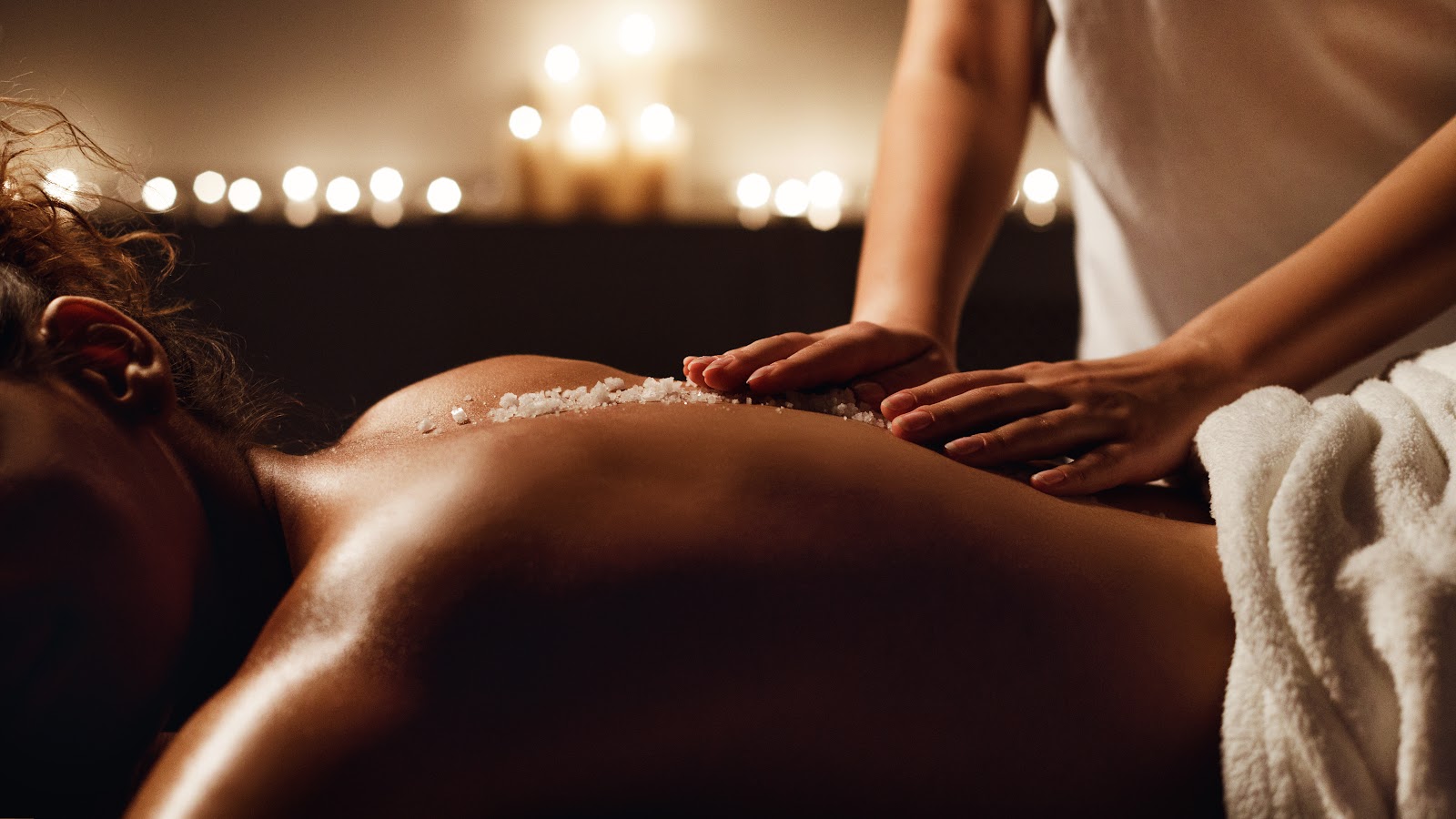
A standard Swedish or relaxation massage is the default for good reason. It works, it’s low risk, and almost nobody regrets one. If you have a specific knot or a chronic problem area, deep tissue is worth the extra intensity. If you don’t have one, deep tissue is often more than the moment calls for.
The most common mistake: booking sixty minutes when you wanted ninety. At sixty minutes, a therapist has to choose between full-body coverage and real work on your problem areas. At ninety, they don’t have to choose. If bodywork is the centerpiece of your trip, buy the extra half hour.
If You Can’t Turn Your Brain Off: Sound and Salt
This is the category where a Sedona spa day genuinely earns its reputation.
A sound bath means lying down while someone plays crystal bowls, gongs, or chimes, and the sound moves through the room and, in a physical way, through you. There’s no technique to learn and nothing to get right. People who arrive skeptical often leave as the most enthusiastic converts, mostly because the whole ask is simply to lie there.
Salt therapy (halotherapy) puts you in a room with dry salt aerosol in the air. People commonly seek it out for respiratory and skin comfort, though it’s worth saying plainly: the clinical evidence behind those specific claims is thin. The Cleveland Clinic notes there isn’t enough rigorous research to validate the respiratory theory, and no sound studies back the skin claims. What a salt room reliably delivers is roughly forty five minutes of low light, zero demands, and no phone, which for a lot of travelers is the actual point.
Both are built for the guest whose real problem isn’t muscular. It’s mental.
If You’ve Been Hiking: Recovery, Not Relaxation
This distinction trips people up constantly. After a hard day on Cathedral Rock or Devil’s Bridge, a candlelit aromatherapy massage feels wonderful and does almost nothing for your legs.
What actually helps:
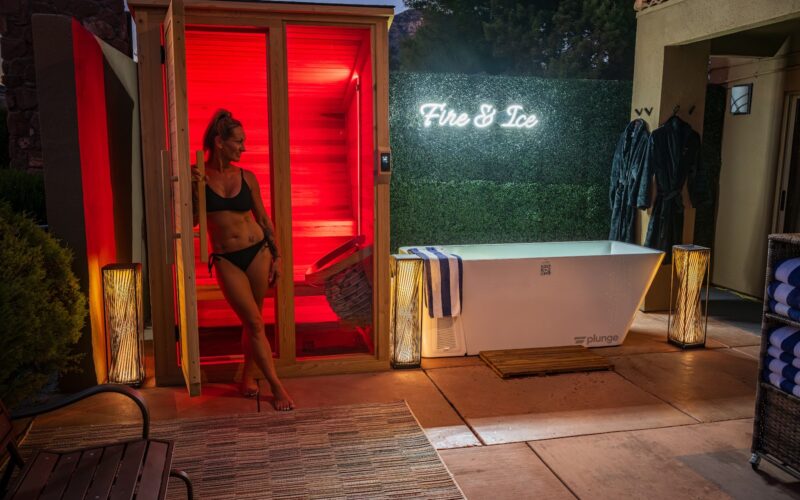
- Contrast therapy: alternating heat and cold, sauna into cold plunge, repeated. It’s not comfortable in the moment, and the science on it is more mixed than the marketing suggests. Some research links it to faster recovery from delayed-onset soreness; other reviews call the longer-term benefit weak, largely because study protocols vary so much from one trial to the next. Treat it as a supportive tool, not a guarantee.
- Red light therapy: low-level red and near-infrared light. It’s fully passive; you lie under it and do nothing. The research here is more consistently positive than on contrast therapy, with several studies linking it to lower inflammation markers and less delayed-onset soreness. It stacks well with almost everything else on this list.
- Sports or deep tissue massage: book it for the day after your big hike, not the same evening. Research on massage and delayed-onset soreness supports this. Same day, your muscles are too inflamed for you to get much out of deep work.
If You Want a Ritual: Build a Sequence
The single best move available at a Sedona spa isn’t any one treatment. It’s the order you do them in.
A sequence that works for almost everyone:
- Move first. A short morning hike or a gentle yoga session. Twenty minutes is enough. You’re not training, you’re waking your body up so it has something to release later.
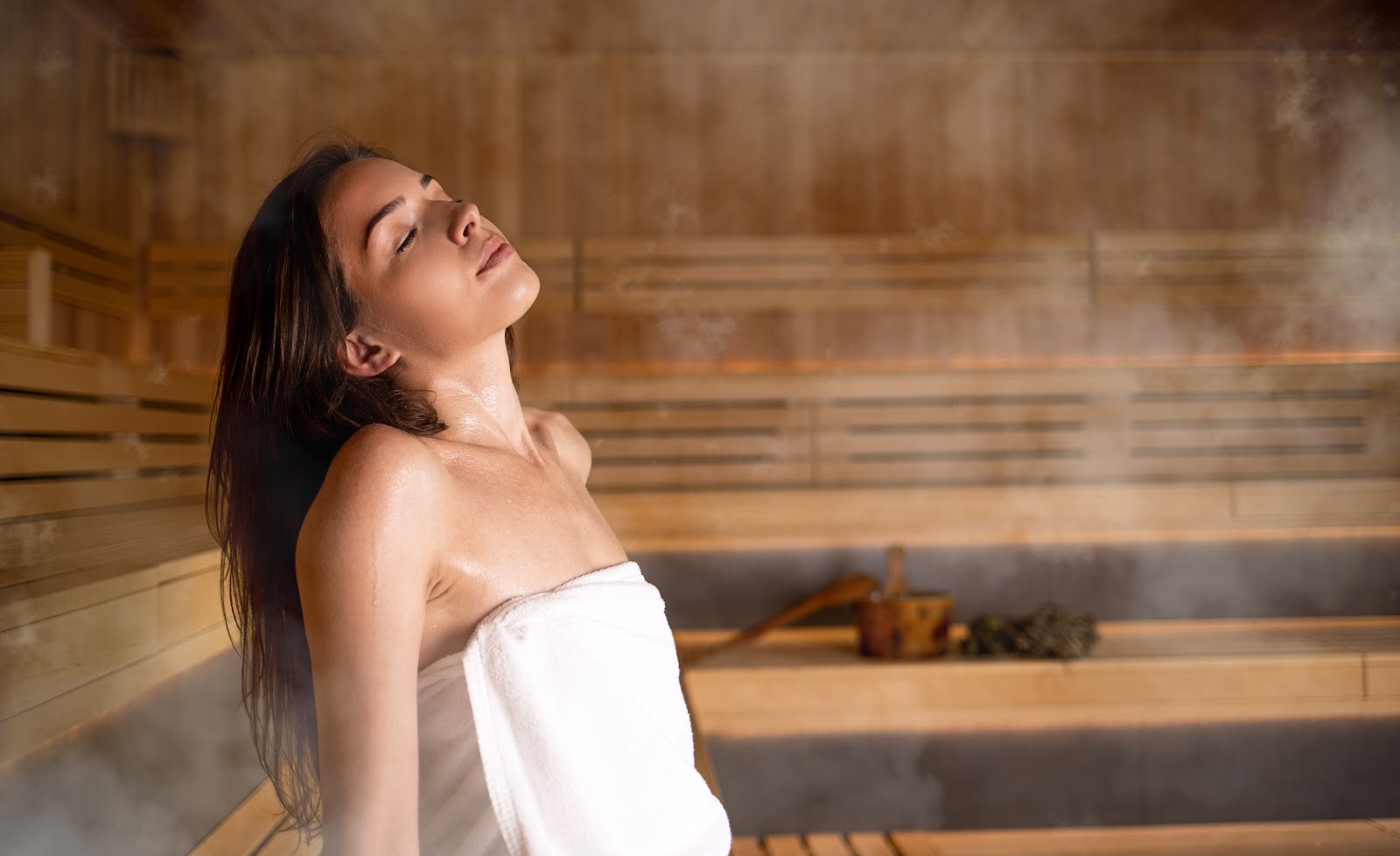
- Heat second. Sauna, salt room, or a warm soak. This is where the day’s tension starts to unclench.
- Bodywork or sound third. Now that you’re loose and warm, the treatment lands deeper.
- Do nothing fourth. This is the step people skip. Twenty minutes by a pool, in a relaxation room, on a patio. No phone. Everything above compounds during this step, and evaporates if you go straight to dinner reservations.
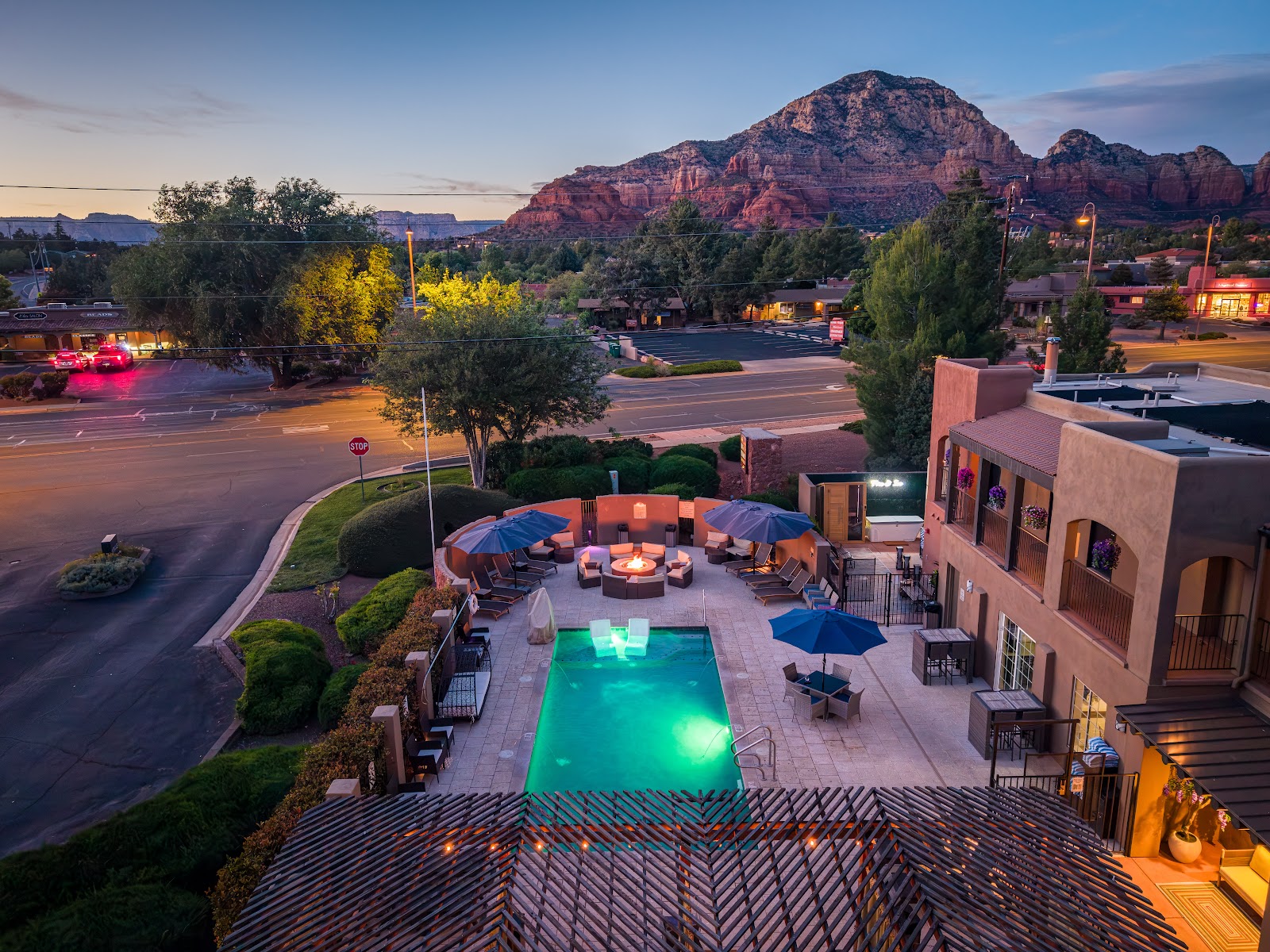
That’s a full spa day, and it costs less than you’d expect when the pieces are on one property and you’re not driving between them.
A Few Practical Notes Before You Book
- Book ahead. Sedona’s better treatments fill first, especially on weekends and especially in fall.
- Hydrate more than feels necessary. You’re at roughly 4,350 feet. Altitude, plus heat therapy, plus a massage, will dehydrate you faster than it would at sea level.
- Leave a buffer. Nothing undoes ninety minutes of bodywork like rushing to a 6:15 reservation.
- Don’t overschedule. Two meaningful treatments across three days beats six crammed into two.
Where to Have Your Sedona Spa Day
The difference between a good spa day and a great one usually comes down to logistics: how far you have to drive, how much you have to plan, and whether you can go from a treatment to somewhere quiet without getting back in a car.
At Arroyo Pinion, the wellness spaces sit on the property: Salt Room, red light therapy, a relaxation room, gentle yoga, sound baths, and a pool and cabana area for the “do nothing” step. Our King Wellness Rooms are built for guests whose whole reason for coming is exactly this, and rooms with patios and fireplaces give you somewhere quiet to land once the day is done.
If your idea of a Sedona spa trip is fewer decisions and more actual rest, that’s the version we built.